




















Supreme Court's Bail to Taket Jerang: A Controversial Decision Sparking Debate

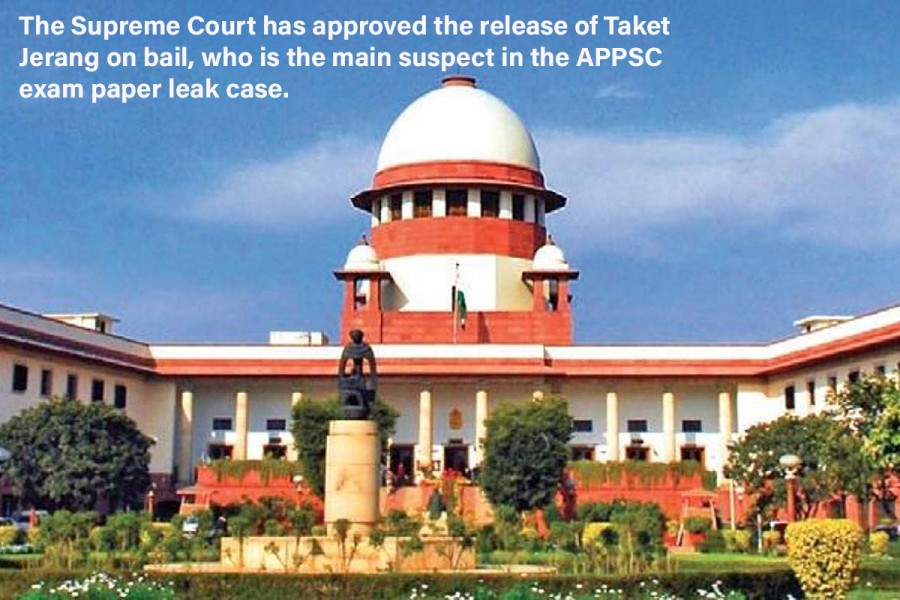
New Delhi, November 10, 2023 - The Supreme Court of India, in a landmark ruling, granted bail to Taket Jerang, a figure enmeshed in 92 criminal cases, sparking a mix of reactions across the legal and public spheres. The decision, pronounced by Hon'ble Mr. Justice B.R. Gavai and Hon'ble Mr. Justice Prashant Kumar Mishra, overturned an earlier judgment by the Gauhati High Court.
The Decision and Its Conditions
Jerang’s defense, led by Senior Advocate Mr. Arvind Minocha, successfully appealed the High Court's decision in BA No. 32/2023. The State of Arunachal Pradesh, represented by Additional Solicitor General Mr. Vikramjit Banerjee, labeled Jerang as a 'kingpin' in the criminal cases against him. Despite these serious allegations, the Supreme Court granted bail, imposing conditions like a personal bond of Rs. 50,000 and mandatory reporting to the Investigating Officer every Monday, aiming to balance the rights of the accused with the integrity of the legal process.
Criticism of the Decision
The decision, however, has been met with stern criticism. Legal experts and public opinion are divided, with many expressing concerns about the potential repercussions of this decision on the Indian judiciary's image. Critics argue that the Supreme Court's decision to grant bail, despite the severity of the allegations, could set a concerning precedent in high-profile criminal cases. They fear it might signal a leniency towards individuals with significant influence, potentially undermining public trust in the judiciary's ability to dispense impartial justice.
Concerns About Judicial Integrity
These critics emphasize the importance of the judiciary's role in upholding the rule of law, especially in cases involving complex and serious criminal allegations. The skepticism revolves around the effectiveness of the bail conditions in preventing evidence tampering or witness influence. Furthermore, there's apprehension that this ruling might be indicative of inconsistencies in the judicial process, especially in cases involving influential figures.
Impact on Legal System and Public Perception
The decision has far-reaching implications for the Indian legal system, especially concerning how high-profile cases are handled. It raises critical questions about the balance between individual rights and the broader interests of justice and public safety. The ruling is seen as a test case for the judiciary's commitment to fairness and impartiality, especially in a scenario where the accused is implicated in numerous serious offenses.
Looking Ahead
As the case continues to develop, it will undoubtedly remain a focal point of discussions about judicial decisions in India. The Supreme Court's ruling, while granting freedom to Jerang, also places a spotlight on the judiciary's responsibility in navigating complex legal and ethical landscapes. It highlights the delicate balance that courts must maintain between upholding individual rights and ensuring that justice is served in the broader social context.
Conclusion
The Supreme Court of India's decision to grant bail to Taket Jerang in the midst of multiple criminal allegations is a momentous and contentious development in the Indian legal narrative. It reflects the intricate dynamics of legal judgments in high-stakes cases and underscores the ongoing debate about the role of the judiciary in maintaining fairness and integrity. This case, as it unfolds, will continue to be a critical reference point in discussions about legal precedents and the judiciary's role in complex criminal matters.
What's Your Reaction?