


















Sleeping Late May Kill You Early

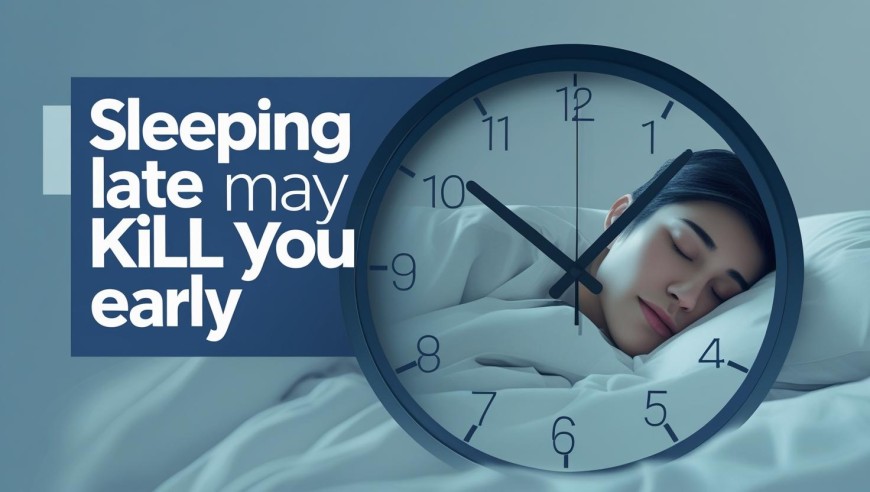
We’ve all done it: stayed up too late finishing one more episode, replying to messages, or just lying in bed staring at the ceiling. It feels like no big deal, especially if we can sleep in the next day. But sleep experts say this habit might be more dangerous than it seems.
Going to bed late, especially night after night, can seriously mess with your body’s natural clock. And that disruption doesn’t just make you groggy. It’s linked to heart problems, a weaker immune system, and even a shorter lifespan. In other words, sleeping late isn’t just a bad habit. It might be slowly harming your health.
Our bodies operate on a 24-hour internal clock known as the circadian rhythm. This rhythm regulates essential functions such as sleep-wake cycles, hormone release, digestion, and body temperature. It's primarily influenced by environmental cues, especially light and darkness.
When we expose ourselves to light at night or maintain irregular sleep schedules, we disrupt this natural cycle.Real Simple+6Verywell Health+6Sleep Foundation+6
Disruptions to the circadian rhythm can impair cognitive functions, leading to difficulties in concentration, memory, and decision-making. Over time, these disruptions can contribute to more severe health problems, emphasising the importance of maintaining a consistent sleep schedule aligned with our natural rhythms.
Health Risks Associated with Late Sleeping
Regularly staying up late doesn't just affect your alertness the next day; it can have long-term health consequences:
Heart Health: Chronic sleep deprivation is linked to an increased risk of heart disease and stroke. Lack of sleep can lead to high blood pressure and inflammation, both of which strain the cardiovascular system. Sleep Foundation
Metabolic Issues: Disrupted sleep patterns can interfere with the body's ability to regulate blood sugar, increasing the risk of obesity and type 2 diabetes. Healthline
Mental Health: Irregular sleep can contribute to mood disorders such as depression and anxiety. The misalignment of sleep patterns affects hormone levels and stress responses, exacerbating mental health issues. Harvard Health
Immune System: Consistent lack of sleep weakens the immune system, making the body more susceptible to infections and illnesses. A compromised immune response can lead to more frequent and prolonged sickness.
What Do Experts Say

You don’t have to take our word for it. Sleep specialists across the world are sounding the alarm.
Dr. Nancy Foldvary, director at Cleveland Clinic’s Sleep Disorders Center, explains that people who naturally stay up late… known as “night owls”, are more likely to experience chronic sleep deprivation. This is especially true for those who still have to wake up early for work or school.
Over time, this mismatch between sleep preference and daily demands can take a serious toll on physical and mental health. Foldvary notes, “Night owls often accumulate sleep debt, which can increase the risk of heart disease, obesity, and mood disorders.”
Dr. Saurabh Sethi, a U.S.-based gastroenterologist, has also warned against regularly going to bed past midnight. Speaking to The Scottish Sun, Dr. Sethi stated, “Going to sleep after 12 a.m. has been linked to higher levels of stress hormones, digestive issues, and a decline in overall sleep quality.”
He added that the body’s repair processes, including cell regeneration and hormone balance, are most effective during early night hours.
These warnings align with a report in The Times of India, which highlighted NASA-backed research on “social jet lag,” the habit of sleeping late on weekends and waking up early during weekdays. Scientists found that even small shifts in sleep timing can confuse the body's internal clock, leading to long-term health damage.
Recommendations for Better Sleep Habits
If you’re someone who struggles with late nights, the good news is that change is possible. And even small shifts in routine can improve your health dramatically. Here’s what experts recommend:
Stick to a Consistent Sleep Schedule
Aim for 7 to 9 hours of sleep each night and try to go to bed and wake up at the same time every day, even on weekends. This helps stabilise your circadian rhythm.Avoid Weekend Sleep-Ins
Sleeping in for hours on Saturday and Sunday might feel good, but it throws off your internal clock and makes it harder to fall asleep on Sunday night. Setting up a bad cycle for the week ahead.Make Your Bedroom Sleep-Friendly
Keep your room dark, quiet, and cool. According to the Mayo Clinic, even small amounts of light or noise can interrupt your sleep stages. Use blackout curtains and white noise machines if needed.Cut Down Screen Time Before Bed
Bright screens from phones, tablets, and TVs can confuse your brain into thinking it's still daytime. Experts suggest powering down at least 60 minutes before bed. Try reading, journaling, or listening to calming music instead.Watch Your Eating and Drinking Habits
Avoid caffeine after mid-afternoon and try not to eat large meals close to bedtime. Both can make it harder for your body to wind down. Hydration is important, but too much water before sleep can lead to bathroom interruptions.
In Short
Going to bed late might seem like a personal preference or just a side effect of a busy lifestyle. But research is clear: regularly sleeping past midnight. Especially when it disrupts your body’s natural rhythms, can lead to serious health issues over time. From heart problems to mental health challenges and weakened immunity, the risks are real.
The solution isn’t complicated, but it does require commitment. Prioritising sleep, keeping a regular schedule, and building better bedtime habits can protect your body and mind, and maybe even help you live longer.
So next time you’re tempted to stay up one more hour, remember: sleep isn’t a luxury. It’s your body’s best defense.
What's Your Reaction?